環境光に対する堅牢性#
情報
このトピックのすべての情報は、すべてのblazeおよびSmart blazeカメラモデルに適用されます。簡潔にするため、すべてのモデルを指して「blaze」を使用しています。
どのような種類の環境光が問題となるか?#
blazeカメラは不可視の赤外光を照射します。
- blaze-101およびblaze-101sカメラは、波長940 nmの光を照射します。
- blaze-102、blaze-102s、blaze-112、blaze-112sカメラは、波長850 nmの光を照射します。
920~970 nm(blaze-101、blaze-101s)または830~880 nm(blaze-102、blaze-102s、blaze-112、blaze-112s)の範囲の不可視赤外光は、カメラのイメージセンサーによって検出され、カメラ自体の光源と干渉するため、測定結果に影響を及ぼします。したがって、これは外乱の主な原因と見なすことができます。この点において、他の波長の光の影響は無視できるほどわずかです。
放射照度と照度#
カメラが主に不可視の赤外光の影響を受けやすいため、環境光の堅牢性は、不可視光に適した放射量である放射照度の観点から規定されています。放射照度はW/m²で測定されます。これは、単位面積あたりに表面が受ける放射束(電力)の観点からの光を指します。
これとは対照的に、可視光において知覚される明るさは通常、照度として表されます。これは、人間の目で知覚される明るさにより光を示す光度測定量です。照度はlux(lx)で測定されます。
放射照度の値から照度を導き出す、普遍的に有効な方法はありません。これは、光源によって赤外線の部分が大きく異なる可能性があり、各光源のスペクトルを個別に考慮する必要があるためです。
サンプルシナリオの比較#
目安として、Baslerは、放射照度がさまざまな光源の照度値とどのように関連しているかを示すために、3つの異なるシナリオを検証しました。測定は以下の条件で行われました。
- blaze-101およびblaze-101sカメラの放射照度の制限値は12.8 W/m²であり、blaze-102、blaze-102s、blaze-112、およびblaze-112sカメラの放射照度の制限値は6.8 W/m²です(Baslerが特定のテスト条件下で決定)。
- 太陽光やハロゲン光などの一般的な光源の総分光放射照度は、カメラのイメージセンサーで記録される放射照度が、カメラの放射照度制限値である12.8 W/m²および6.8 W/m²と等しくなるように選択されました。
これらの条件における可視光範囲の照度は、光源のスペクトルと視感度関数を考慮して計算されました。さらに、イメージセンサーの量子効率、カメラのバンドパスフィルターの伝達関数(透過帯域と阻止帯域)、およびその他の関連するカメラプロパティも含まれています。
次の表に結果を示します。
| blaze-101 / blaze 101s | 環境光に対する堅牢性の放射測定制限 (920~970nmでの最大放射照度) | 環境光に対する堅牢性の光度測定制限 (最大照度、近似) |
|---|---|---|
| 太陽光a | 12.8W/m² | ~60klux |
| 白熱灯(3200K)b | 12.8W/m² | ~8klux |
| 920~970nmの近赤外線放射のない人工光源(可視LED、蛍光灯など) | 12.8W/m² | 実際的な制限なし |
| blaze-102 / blaze-102s / blaze-112 / blaze-112s | 環境光の堅牢性に関する放射測定の制限値 (最大放射照度 @ 830~880 nm) | 環境光に対する堅牢性の光度測定制限 (最大照度、近似) |
|---|---|---|
| 太陽光a | 6.8 W/m² | ~15 klux |
| 白熱灯(3200K)b | 6.8 W/m² | ~5 klux |
| 830~880 nm間の近赤外放射を持たない人工光源(可視LED、蛍光灯など) | 6.8 W/m² | 実際的な制限なし |
-
北半球の青空が広がる明るい晴天の日:夏至の日; 太陽時 12:00:00; 緯度 53.692540; 経度 10.266444; ターゲットの傾斜 90°(地面に対して垂直); ターゲットの方位 10.266444。 180°(南向き); 表面アルベド 0.2; ターゲットに対するカメラの法線
-
タングステンハロゲンランプ、3200K色温度
環境光の影響#
環境光がカメラの画質に与える影響は、デプスマップやポイントクラウドにおいて最も顕著に現れます。920~970 nmまたは830~880 nmの範囲に強い環境光があるシーンでは、デプスのノイズが増加し、それによってデプス測定の精度が低下します。
環境光が比較的弱い場合(放射照度が最大5 W/m²)、ノイズの増加は約2倍未満にとどまります。日光に対する堅牢性の指定制限値(放射照度 12.8 W/m²)に近い強い環境光の下では、ノイズは7倍に増加します。環境光の放射照度がこの制限値を超えてさらに増加すると、カメラのイメージセンサーが飽和します。これが発生すると、輝度画像が白く表示され、デプス測定ができなくなります。
情報
環境光はカメラの輝度画像には表示されません。これは、環境光の変化が明るさの変化としてではなく、画像ノイズの変化としてのみ観測されることを意味します。したがって、適切に露出された画像から過剰露出された画像への移行は、非常に突然に発生するように見える場合があります。
カメラの放射照度制限の決定#
カメラは、次の条件でテストされました。
- 90%の反射性を備えた白の平らな対象物
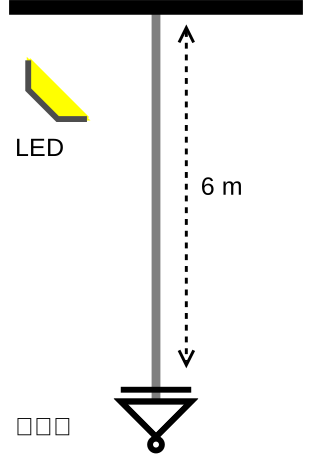
- 940 nm(blaze-101、blaze-101s)または850 nm(blaze-102、blaze-102s、blaze-112、blaze-112s)のLEDによって照明されたターゲット
- 6mの距離(対象物とカメラの間)
- 露光時間250µs
試験のセットアップ#
カメラは、6メートルの距離にある平らな白いターゲットに直接向けられました。周囲光をシミュレートするために、ターゲットはカメラと同じ波長を使用して追加の光源によって照射されました。ターゲットの照射輝度は、過剰照射を行わずにカメラが使用可能な画像を照射したポイントまで上昇しました。放射照度を測定し、カメラの画像に基づいてノイズの増加を判定しました。
試験結果#
blaze-101およびblaze-101sカメラは、920~970 nmの環境光光源に対し、12.8 W/m²の環境放射照度でも使用可能な画像を出力しました。画像ノイズは7倍に増加しました。
blaze-102およびblaze-102sカメラは、830~880 nmの環境光光源に対し、6.8 W/m²の環境放射照度でも使用可能な画像を出力しました。画像ノイズは7倍に増加しました。